




How to choose refining equipment for lower energy use




Choosing the right refining equipment is essential for lowering energy use, improving process stability, and supporting carbon neutral industry goals. In today’s global energy matrix, buyers and technical teams must balance efficiency, chemical engineering standards, and long-term energy transition pathways. This guide outlines how to evaluate refining equipment with a focus on sustainable energy materials, low-carbon material utilization, and practical performance in complex industrial environments.
Why energy-efficient refining equipment selection is now a strategic decision
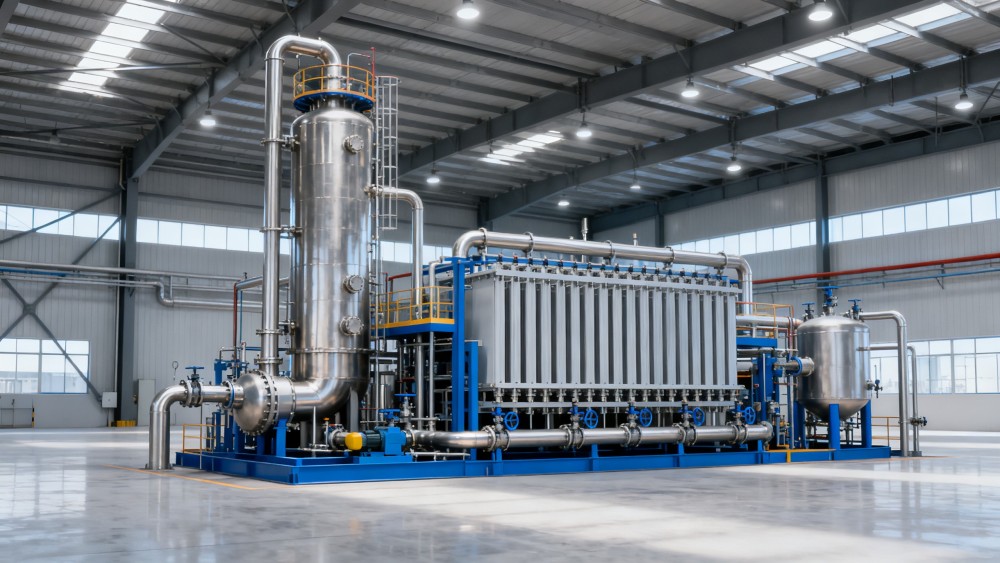
For refiners, processors, and heavy industry project teams, equipment selection is no longer a narrow engineering purchase. It directly affects operating expenditure, throughput stability, emissions intensity, maintenance planning, and future retrofit flexibility. In many projects, the real cost difference appears over 3–10 years of operation rather than at the initial purchase stage. That is why lower energy use must be assessed as a full lifecycle issue, not only as a nameplate efficiency claim.
This matters across oil, gas, metallurgy, chemicals, polymers, and sustainable energy processing. Feedstock quality can shift every quarter, utility prices can change within weeks, and compliance expectations may tighten during the project life. A refining equipment package that performs well under one feed condition may lose efficiency when viscosity, sulfur content, moisture, or impurity load changes. Technical evaluators therefore need a process-based view, while procurement teams need a commercial and supply-risk view.
GEMM’s sector perspective is useful because energy use in refining equipment cannot be isolated from commodity volatility, raw material characteristics, and trade compliance. A heater, separator, reactor support unit, filtration train, or distillation system should be judged not only by rated performance, but also by how it responds to changing crude slates, recycled inputs, bio-based intermediates, or downstream product specifications. In practice, 4 decision layers often matter most: process fit, energy intensity, compliance readiness, and delivery reliability.
Many operators focus on power consumption alone, but lower energy use usually depends on a wider balance that includes heat recovery, pressure drop, insulation quality, control logic, cleaning frequency, and part-load behavior. A unit that saves 5% electricity but forces more shutdowns may be less attractive than a unit with a lower thermal burden and longer stable runs. For continuous operations, even a modest efficiency gap repeated over 24 hours a day and 330–350 operating days a year can materially affect plant economics.
- Energy efficiency should be measured at design load, part load, and expected feedstock variation, not at a single test point.
- Selection should consider both direct energy input and indirect losses from fouling, reprocessing, or unstable product quality.
- Procurement teams should compare total cost of ownership over at least 3–5 years for standard projects and 7–10 years for large continuous plants.
What should buyers and engineers evaluate first when choosing refining equipment?
Before comparing suppliers, the project team should define the process boundary. “Refining equipment” may include preheating, separation, reaction support, filtration, distillation, solvent recovery, dehydration, finishing, and emissions control units. If the boundary is unclear, energy data will be misleading. A low-energy reactor train may rely on an oversized upstream heating system, shifting energy burden rather than reducing it. Clear scoping during the first 1–2 review rounds prevents expensive specification corrections later.
The next step is to match equipment to feedstock reality. Heavy crudes, recycled polymer streams, spent solvents, mixed chemical intermediates, and metallurgical by-products all behave differently. Viscosity range, solids content, corrosive species, moisture, and thermal sensitivity should be documented as operating ranges rather than single values. Where feed variation is expected, engineers often define at least 3 cases: normal feed, worst-case feed, and ramp-up feed. That approach gives a better basis for energy and material balance comparison.
Control philosophy also deserves early attention. Advanced instrumentation, variable frequency drives, automated reflux management, pressure optimization, and predictive maintenance interfaces can improve efficiency, but only if the plant can operate and maintain them. For some facilities, a simpler control package with reliable trend monitoring is better than a highly complex system that cannot be supported locally within 48–72 hours. Equipment that looks efficient on paper may underperform if the control environment is mismatched to operator capability.
A practical way to start is to use a structured screening matrix. The table below helps information researchers, technical evaluators, and procurement teams align process, energy, and commercial judgment before moving into negotiation or factory inspection.
This matrix turns a broad “energy-saving” claim into a decision framework. It is especially useful when multiple departments are involved. Engineers can score technical fit, operators can flag maintainability risks, and procurement staff can compare commercial exposure. In mixed-feed and multi-product plants, this cross-functional review is often more valuable than relying on one nominal efficiency number.
Three early questions that prevent wrong equipment selection
First, what is the true operating window? If a line is designed for 100% steady throughput but regularly runs at 60%–85%, part-load efficiency becomes a primary factor. Second, what feed change is expected within 12–24 months? Commodity shifts can force processors to accept different raw materials. Third, what is the plant’s acceptable shutdown interval? If cleaning is needed every 2–3 weeks instead of every 6–8 weeks, energy use per qualified output can rise sharply.
These questions are relevant to oil fractions, fine chemicals, polymer intermediates, and recycled materials alike. They also align with GEMM’s broader methodology: equipment choice should reflect not only process engineering, but also supply chain dynamics, technical trend analysis, and compliance exposure across the industrial matrix.
Which technical parameters matter most for lower energy use?
When teams compare refining equipment, the most useful parameters are usually specific energy consumption, turndown capability, heat transfer efficiency, pressure drop, residence time control, and fouling resistance. For thermal systems, inlet and outlet temperature approach matters because oversized temperature differentials often signal avoidable energy input. For pumped systems, pressure drop across filtration, separation internals, or piping sections can become a hidden electricity cost if not optimized during design review.
In continuous processing, turndown capability is often overlooked. A unit that performs only near full load may become inefficient in real facilities where throughput changes by season, feed quality, or downstream scheduling. A practical engineering target is to confirm stable control across at least 60%–100% of expected operating load, or a narrower verified range if the process is highly sensitive. This is especially important in biofuels, solvent recovery, and specialty chemical refining where campaigns can vary.
Material selection also affects energy use. Corrosion-resistant alloys, internal surface finish, and anti-fouling design features do more than protect equipment. They help preserve heat transfer, reduce pressure losses, and extend cleaning intervals. In dirty or mixed-feed service, a lower-cost material choice may increase long-term steam demand, circulation load, or downtime. Technical evaluators should therefore compare the interaction between metallurgy, feed chemistry, and maintenance cycles instead of isolating capex from operation.
The table below organizes common technical checkpoints for lower energy use across refining applications in oil, chemicals, polymers, and adjacent heavy industry processing. The ranges are not fixed standards, but they are practical review categories for supplier discussions and internal assessment.
Technical performance should be tested against the actual operating scenario, not generic catalog values. A process line handling clean feed for 8,000 hours a year has a different energy profile from a line processing contaminated or variable raw materials with frequent start-stop cycles. That is why decision-makers should ask for design-basis transparency, not only equipment brochures.
How operators and quality teams should read technical data
Operators should focus on stability indicators: warm-up time, cleaning access, restart procedure, and alarm sensitivity. Quality and safety teams should verify material compatibility, sealing arrangements, emissions interfaces, and documentation completeness. In many plants, 5 key checks are enough to expose most weaknesses: feed range, thermal duty, control response, maintenance interval, and traceable materials of construction.
For project managers, the practical question is whether the supplier can connect these parameters to commissioning and training. If documentation arrives late or is too generic, the plant may lose 2–4 weeks during startup optimization. Efficient refining equipment is not only hardware; it is a package of process understanding, maintainability, and usable operating guidance.
How to compare equipment options by scenario, cost, and implementation risk
A strong procurement process compares not just one machine against another, but one operating model against another. For example, a high-efficiency thermal system with integrated heat recovery may cost more upfront than a simpler setup, yet reduce steam demand, cooling load, and carbon exposure over time. On the other hand, if the plant runs short campaigns or highly variable products, modular equipment with easier cleaning may deliver better real economics despite lower headline efficiency.
Implementation risk also deserves a formal score. Large plants may accept an 8–16 week fabrication window if the efficiency gain is meaningful and shutdown planning is fixed far in advance. Smaller or urgent projects may prioritize readily available configurations with shorter delivery cycles of 4–8 weeks. Distributors and project owners should map schedule risk, spare parts access, and commissioning support before final approval, because delayed start-up can erase projected energy savings in the first operating year.
The comparison table below is designed for mixed stakeholder review. It helps procurement personnel, technical assessors, business evaluators, and plant leadership compare solutions in a way that connects capital cost, operational efficiency, and project risk.
This comparison shows why the “best” refining equipment depends on plant reality. If feedstocks are volatile and the business must respond to market shifts, flexibility and serviceability may have equal importance to energy performance. In contrast, large continuous operations with stable production plans may gain more from customized heat integration and advanced controls.
A practical 4-step procurement path
- Define process data pack: feed range, throughput window, utility constraints, compliance scope, and expected commissioning date.
- Shortlist 2–4 technically viable options and request energy-related data at both design and part load.
- Review lifecycle factors: maintenance interval, spare parts lead time, operator training, and shutdown impact.
- Finalize with a cross-functional decision including engineering, operations, procurement, quality, and project management.
This 4-step path reduces the common problem of selecting equipment mainly on purchase price. It also supports more resilient decision-making where raw material sourcing, compliance, and carbon strategy are changing at the same time.
Which standards, compliance points, and common mistakes should not be ignored?
Compliance is not a separate task after technical selection. It affects design, documentation, materials, safety interfaces, and import or project approval timelines. Depending on the region and process duty, teams may need to review pressure equipment rules, electrical safety requirements, hazardous area compatibility, material traceability, emissions interfaces, and process safety documentation. For cross-border projects, the documentation package itself can influence whether equipment enters service on time.
One common mistake is assuming that a lower-energy unit is automatically a lower-risk unit. In reality, tighter thermal integration or more advanced controls can require stronger operator training, more disciplined maintenance, and clearer hazard review. Another mistake is evaluating only clean-feed conditions. Plants dealing with recycled polymers, mixed solvents, heavier fractions, or contaminated intermediates should examine performance degradation over time, not just startup performance during the first few days.
A third mistake is weak documentation review. Technical teams may focus on drawings and overlook spare parts documentation, maintenance procedures, recommended cleaning cycles, instrument lists, and acceptance criteria. Yet these files determine how fast the plant can troubleshoot problems during the first 30–90 days of operation. For quality managers and safety officers, documentation quality is often as important as the equipment itself.
The checklist below summarizes common compliance and risk control points that should be reviewed before purchase order release or factory acceptance testing.
- Confirm materials of construction against expected corrosion, temperature range, and cleaning chemistry.
- Verify utility interfaces, control philosophy, and emergency shutdown logic before fabrication lock-in.
- Request a document list covering drawings, certificates, manuals, spare parts, and commissioning support notes.
- Check delivery milestones, inspection points, and acceptance criteria for the 3 main phases: pre-fabrication, pre-shipment, and startup.
- Align operator training and maintenance planning at least 2–6 weeks before commissioning where possible.
FAQ: questions buyers and operators often ask
How do I choose refining equipment if feedstock quality changes frequently?
Prioritize flexibility over a narrow best-case efficiency point. Ask suppliers to explain performance under at least 3 feed cases and to identify what happens to energy use, pressure drop, and cleaning interval when contamination or viscosity rises. For variable feeds, a robust control range and maintainable internals often matter more than a highly optimized design that works only in a tight operating window.
What should procurement teams compare beyond purchase price?
Compare lifecycle cost drivers: utility use, expected shutdown frequency, spare part lead times, commissioning support, and retrofit compatibility. A cheaper system may create higher operating loss if cleaning is frequent or if off-spec production increases. For most industrial projects, a 3–5 year cost view is a better starting point than a single capex line.
How long is a typical delivery and implementation cycle?
It depends on complexity and customization level. Standard packages may fit into roughly 4–8 weeks of supply time, while more engineered systems can require 8–16 weeks or longer. Startup and optimization can add another 1–4 weeks depending on controls, utility integration, and operator readiness. The best way to reduce schedule risk is to freeze process data early and keep documentation review disciplined.
Can retrofitting existing refining equipment still reduce energy use meaningfully?
Yes, especially when the main losses come from poor heat recovery, excessive pressure drop, outdated controls, or fouled internals. Retrofits can be attractive when budget is limited or shutdown windows are short. However, teams should first identify the main loss mechanism. Without that diagnosis, retrofit spending may target symptoms rather than the real energy burden.
Why work with a market intelligence partner before final equipment selection?
Refining equipment decisions sit at the intersection of engineering, commodity sourcing, compliance, and long-term capital planning. That is why many project teams benefit from a broader intelligence view before committing. GEMM supports this process by connecting technology trend analysis with raw material behavior, heavy industry process knowledge, and trade compliance insight across oil, metals, chemicals, polymers, and sustainable energy pathways.
For decision-makers, this means a more complete basis for judgment. Instead of asking only which equipment is available, the better question is which equipment remains efficient and operable under changing feedstocks, carbon constraints, and supply chain conditions. GEMM’s cross-sector lens is especially valuable when projects involve mixed raw materials, recycled inputs, energy transition upgrades, or expansion into new processing categories.
If you are comparing refining equipment for lower energy use, we can help you review 3 critical areas before purchase: parameter confirmation, selection logic, and implementation feasibility. That includes checking whether the process basis is complete, whether the proposed configuration matches operating reality, and whether delivery, documentation, and compliance plans are aligned with your project schedule.
You can contact us to discuss equipment selection, typical configuration ranges, project delivery timing, retrofit versus replacement options, documentation requirements, and quotation planning. If your team is evaluating a difficult feedstock, an energy transition scenario, or a cross-border industrial project, GEMM can help turn scattered technical information into a structured decision path that supports lower energy use and more resilient industrial performance.
Related News
- How to choose refining equipment for lower energy useApr 28, 2026Refining equipment selection for carbon neutral industry: learn how to cut energy use, meet chemical engineering standards, and support sustainable energy materials and low-carbon material utilization.
- Refining equipment upgrades: repair or replace?Apr 28, 2026Refining equipment upgrades: repair or replace? Explore refining equipment strategies for a carbon neutral industry, balancing sustainable energy materials, compliance, risk, and lifecycle value.
Related News
- 00
0000-00
Agrochemical regulations: common export compliance mistakes - 00
0000-00
Circular economy polymers: how to avoid quality issues - 00
0000-00
Circular economy polymers: virgin or recycled blends? - 00
0000-00
Bio-based materials still face a performance trust gap - 00
0000-00
Industrial decarbonization targets slip when baselines are weak
Weekly Insights
Stay ahead with our curated technology reports delivered every Monday.